Showing posts with label Japan. Show all posts

Sunday, 26 July 2020

[Film] Killing (斬、)

02 December 2018

“Killing (斬、)”---Singapore International Film Festival

Release Year: 2018

Country: Japan

Director: Tsukamoto Shin'ya (塚本晋也)

Cast: Ikematsu Sosuke (池松壮亮), Aoi Yu (蒼井優), Tsukamoto Shin'ya (塚本晋也), Nakamura Tatsuya (中村達也)

Location I watched: National Gallery Singapore


Story from the programme booklet:

Swordsman Mokunoshin Tsuzuki earns a peaceful living as a labourer on a rice paddy in the outskirts of Edo, the former capital of pre-modern Japan.

Maintaining his sword skills through daily sparring with farmer’s son Ichisuke, who himself harbours dreams to serve the shogun as a samurai, Mokunoshin’s idyllic life is threatened when talk of an impending civil war reaches his remote village. When a stoic older samurai recruits him for a capital-bound task force bent on easing the civil unrest, Mokunoshin’s reluctance to kill is challenged as the surrounding violence escalates.


Film should be experienced with our body first. To be thought in our brain will be followed only after that. “Killing” directed by Tsukamoto Shin'ya manifests its truth just like his other films.


The setting of this film is very minimalistic. The camera stays within the area around the remote village set in the mountain. Because of that, the coming civil war or loyalty to the shogunate mentioned by the characters sound quite vague or unrealistic. The protagonist, Mokunoshin (Ikematsu Sosuke) says he wants to work for the shogun, but on the other hand, he does not want to kill anybody. He also feels that he will not die even if he goes to Edo and joins a task force. For him, death in war is still something far. Although he has quite superior sword skills, his ambivalent thinking is like any ordinary young man who wants to escape from choosing or deciding for himself. Mokunoshin’s sparring partner, Ichisuke has a sister, Yu (Aoi Yu) who secretly loves Mokunoshin. Yu simply thinks that war is scary because her loved ones may be killed. An older samurai, Sawamura Jirozaemon (Tsukamoto Shin'ya) knows that war is killing each other. He also believes that sword skills are for the cause of supporting the nation.


Interestingly, Sawamura comes to be haunted to defeat Mokunoshin at the end. His aim has turned into overcoming himself through the fight with Mokunoshin. On the other hand, although Makunoshin accepts Sawamura’s recruitment, he is also doubting that personal sword skills can even save a small village from a group of bandits. To kill people with a sword does not make a good solution for the village. In that case, what are his sword skills for? His challenge, a sense of duty, perplexity, fear and futility…all his ambivalent feelings collide together in his last fight with Sawamura.


In the end, the vague ideology about the nation is left behind and individualism is appearing. The two men fight just for themselves. The story aims for ultimate individualism. That is Tsukamoto Shin'ya’s film.


Tsukamoto has been describing violence, but the violence is always one and indivisible with the body’s pain. He seems to be more interested in pain caused by violence than violence itself. Feeling pain is proof that we are really alive. In “Killing”, pain seems to be more important than violence itself. Behind the personal pain, there is an individual who is struggling and distressed to live. Tsukamoto’s individualism is the opposite pole of nationalistic ideology.


“Killing” may be regarded as an allegory. Taken by other filmmakers, this subject potentially can produce films that are too conceptual and boring. However, Tsukamoto Shin'ya’s “Killing” is an entertainment film with full blood. How realistic and exciting it looks, when the characters are crossing swords! We experience the film with our body, via the image and sound. We experience the fear, tension and anger of the struggling individual. Then, we will think and consider.

Music and sound are quite important to characterize Tsukamoto Shin'ya’s films. They are essential for the audience to experience his films with their body. The music in “Killing” is as splendid as his other films. Unfortunately, this film is the last work of the composer, Ishikawa Chu who scored almost every Tsukamoto’s films. I only recently discovered that Ishikawa Chu has passed away at the age of 51. (2 May 2020)


Sunday, 8 July 2018

『映画』Ramen Teh(ラーメンテー)


201844
Ramen Teh(ラーメンテー)」・・・ようこそ、シンガポール!
公開年: 2018
製作国:  シンガポール/日本/フランス
監督:  Eric Khoo(エリック・クー)
出演: 斎藤工、Mark Lee(マーク・リー)、Jeanette Aw(ジャネット・アウ)、伊原剛志、松田聖子
見た場所: Golden Village Paya Lebar

 Eric Khoo(エリック・クー)の最新作は、食、シンガポールと日本の文化交流、地域振興という三大題目の人情ドラマである。Singapore Film Society(シンガポール・フィルム・ソサエティ)の上映会だったので、ゲストでEric Khooとプロデューサーで脚本も担当したFong Cheng Tang、劇中で主人公の祖母を演じたBeatrice Chienが来場。上映後にQ&Aコーナーがあったのだが、まーエリック・クーがしゃべるわしゃべる。

 ストーリーはいうと、群馬県高崎市で父(伊原剛志)、叔父(別所哲也)とともに人気ラーメン店を営んでいる真人(斎藤工)が主人公。父の死をきっかけに、子供の頃に亡くなった母(ジャネット・アウ)の家族を探すため、シンガポールに渡った真人。そこで、フード・ブログを通じて知り合った日本人女性(松田聖子)の助けを借りて、音信不通になっていた母の弟(マーク・リー)を探し当てる。母の実家は代々バクテーの食堂を営んでおり、店を継いでいた叔父は、真人との再会を喜んでくれたが、日本人嫌いの祖母(Beatrice Chien)の心は頑なだった・・・。


 バクテー(Bak kut teh、肉骨茶)は、シンガポール、マレーシア一帯で食されている、骨付きの豚肉をハーブやスパイスで煮込んだ中華系のスープ料理である。劇中では松田聖子演じる美樹が、その発祥から詳しく説明してくれている。実は私は、結構シンガポールに長く住んでいるのだが、一度もバクテーを食べたことがない。なので、若き日の真人の父が、「バクテーはラーメンに似ている」と言うのを、「そうなのかー」と思って見ていた次第である。

 上映時間89分。シンガポールの美味しそうな料理とその蘊蓄とともに、家族の心暖まるストーリーが展開する小品。良い言い方をすればそうなのだが、悪い言い方をすればなんとなく物足りない作品である。

 理由の一つは、この作品にはカットされている部分があるためではないかと。父の死後、結構サクッと真人はシンガポールに来てしまうのだが、実はその前に、真人とガールフレンドとのシーンがあったそうなのだ。しかし、ガールフレンドが半分裸だったため、そのシーンを入れると、シンガポールではレイティングPGparental guidance、日本のGPG12の間的なレイティング)にはならない。PGでないと興行主が嫌がり、配給が難しくなるので、カットしてしまったと。

 主人公真人は、母の死後、すっかり寡黙になった父を理解する機会のないまま、父に先立たれてしまったことを後悔している。また、早くに亡くなった母への思慕と、シンガポールに住んでいた子供時代、家族三人で食べたバクテーへの思い入れがあり、自宅では中華スープの研究に余念がない。そうした様々な思いが高じて、思い切ってシンガポールに行くことにしたはずなのだが、この高崎パートは前置き的な感じになっていて、なんだか物足りない。カットした分、短くなっているためではないかと思う。


 その割に、「ようこそシンガポール」的な、シンガポールの料理紹介には十分な時間を使っている感じがする。美樹に案内されて、チキンライスやらフィッシュヘッドカレーやらに真人が舌鼓を打つのだが、それは・・・必要なの?観客に対するシンガポール観光案内以外の意図としては、真人にシンガポールの食の深さを見せるとか、美樹と真人が親密になっていく様を表現するとか考えられる。でも、この食紹介のシーンで印象に残るのは、料理であって登場人物達ではない。そしてこれらの料理は、映画の本筋とは全く関係がないのだ。

 この作品の肝は、真人が祖母のためにRamen Teh(ラーメンテー)、つまりバクテーのレシピを元にしたスープを使ったラーメンを作る所にある。この料理が表現しているのは、中華系シンガポール人の母と日本人の父との間にあった深い愛、ひいてはその証でもある真人自身である。この真人のメッセージに答える形で、祖母は真人に料理を教える。真人の持っていた母の日記にあるレシピを、実際に彼と一緒に作るのだが、母のレシピはとりもなおさず、この祖母のレシピでもある。そしてここに、祖母、母、息子、三代に渡る和解と新しい門出が祝福される。この感動に落とし込むためには、これまでのエピソードが全て有機的につながっているべきなのだが、どうも部分的に観光案内を見せられたような、ちょっとバラバラな印象を受ける。

 あまり他の作品と比べてどうこう言いたくないのだが、この一週間前に、シンガポール人シェフが沖縄で郷土料理を学ぶ映画「Jimami Tofu(ジーマーミ豆腐)」を見た。日本の料理人がシンガポールに渡る「ラーメンテー」のちょうど反対になっている作品なのだが、その主人公ライアンが、沖縄に住んでいる感の非常にあった映画だった。ライアンがどういう種類のビザで沖縄滞在しているのか、むしろ心配になるくらいだった。一方この「ラーメンテー」を見ると、真人がシンガポールにやって来て一ヶ月くらいの間に、バクテーを習い、ラーメンテーを作り、祖母と和解して、自分の店を開いた、みたいに見える。特にラスト、真人がシンガポールにラーメンテーの店を開いていて、かつそれが人気店で、「こんな上手くいくんだ・・・」と驚く。このラストシーンに時間の経過がはっきりわかるものがあったら良かったのに、と思う。また、祖母との和解に至るまでに、もっと真人のシンガポールでの日常が描かれても良かったのではないかと思う。

 というわけで、面白いか面白くないかと聞かれると、面白い映画なのだが、どうも物足りないというか、もっと良くなったのでは、というちょっと残念な感じが残った。

 なお、私は個人的に高崎市に思い入れがあるので、劇中で松田聖子が「高崎市」という名前を出してくれていて、嬉しかった。しかし、高崎市といえば、ダルマと高崎観音になってしまうのね。201847日)

上映会当日。シネコンのロビーに設けられたシンガポール・フィルム・ソサエティのカウンター。

上映後のトーク。左からエリック・クー、
祖母役のBeatrice Chien、プロデューサーのFong Cheng Tang。

Sunday, 1 July 2018

『映画』Jimami Tofu(ジーマーミ豆腐)


2018328
Jimami Tofu(ジーマーミ豆腐)」・・・「ジーマーミ豆腐は毎日食べるもの」
公開年: 2018
製作国:  シンガポール/日本
監督:  Jason Chan(ジェイソン・チャン)、Christian Lee(クリスチャン・リー)
出演: Jason Chan(ジェイソン・チャン)、仲宗根梨乃、山本真理、津嘉山正種
見た場所: Golden Village VivoCity

 「Jimami Tofu(ジーマーミ豆腐)」のシンガポール・プレミアに行って来た。この映画は、シンガポールの映画製作会社Banana Mana Filmsが、沖縄県のOkinawa Film Officeの支援を受けて製作した作品である。Banana Mana Filmsは、二人の監督、Jason Chan(ジェイソン・チャン)とChristian Lee(クリスチャン・リー)による、いわゆる独立系のプロダクション。この「ジーマーミ豆腐」も、自分達で脚本を書いて監督し、それぞれ主演と助演で出演もしている。彼らが英語によるアジア映画を志向しているため、主演のジェイソン・チャン以外のメイン・キャストは全て日本人なのだが、英語のセリフの割合が多い。そんなわけで、仲宗根梨乃と山本真理がサシで話すシーンでは、二人が英語で話し合っている。私には違和感があったのだが、バイリンガルが一般的、マルチリンガルも珍しくないシンガポール人的には、さして違和感を感じないらしい。


 この映画には「えっ?」と思う点がある。それは、ジェイソン・チャン演じる主人公が、なぜそんなにモテるのか?という謎。しかしこれはまぁ、ラブコメ少年漫画的な設定だと思えば、受け入れられなくもない。こういう主人公は、めちゃくちゃかっこいいわけでもなく、かと言って不細工でも全くない。清潔感があって、人畜無害な感じが女性に受けるのだろう(か?)。

 あらすじを簡単に言うと、チャイニーズ・シンガポーリアンの料理人ライアン(ジェイソン・チャン)が、沖縄に自分の人生を見つける姿が、二人の日本人女性、ユキ(山本真理)とナミ(仲宗根梨乃)との三角関係を絡めて描かれている。この映画の難点は、比較的シンプルなストーリーが、回想シーンを断片的に挿入することで若干不必要に複雑になっていることにある。そこでその流れを直線的にまとめ直すと、以下のようになる。

 チャイニーズ・シンガポーリアンの料理人ライアンは、東京の日本料理店で修行している。ある日、閉店間際に一人の若い女性が彼の店を訪れる。すでに厨房は片付けてしまったからこれを食べて帰ってくれと、Char Kway Teowらしきものを出すライアン。Char Kway Teow粿條、チャークイティオ)は、米粉から作る平たい麺の焼きそばで、シンガポール、マレーシア一帯の屋台料理である。ライアンのバージョンには、目玉焼きらしきものが載っているのが珍しい(普通は載っていない)。一口食べて、「むっ、これは・・・」と感じ入る女性。実はこの女性、ユキは日本でトップの料理評論家(この設定がなんか笑えるんだが)だった。そんなわけで以降、わざと閉店間際に押し掛けては、ライアンにチャークイティオを振る舞わせるユキ。いや、確かにチャークイティオは美味しいけど、毎日食べてたら病気になるで。基本的に前のめりな性格のユキは、(詳細は省くが)ちょっとおかしな手管でライアンを絡めとり、二人はめでたく恋人同士になるのだった。

 ユキはライアンに有名シェフ、ツジさんの元で働くことを勧め、自らのコネクションでツジさんをライアンの店に招待する。なお、ツジさんを演じるのは服部幸應氏である。ライアンのチャークイティオを一口食べて、自分の名刺を置いて帰るツジさん。ライアンがツジさんの食べ残し(一口しか食べてないけど)の皿を下げようとすると、ユキはそれを押しとどめて残りを食べようとする。概してこのユキという女性は、偉そうで独り善がりなため、あまり好感がもてないのだが、このシーンを見ると嫌いになりきれない。お高くとまっていても、その底にどこか垢抜けない素朴さみたいなものがあって、そこらへんが演じた山本真理の匙加減だったろうと思う。

 かくしてライアンは有名シェフの元で研鑽を積むことになり、一方ユキの方も自分の批評が有名グルメ雑誌に大きく掲載され、さらにキャリアに磨きがかかってくる。今の時代に雑誌かい、と思うのだが、この映画は沖縄のロハスを強調するためか、インターネットもスマホも登場しない(見せない)。ちなみにこの有名グルメ誌は、英語雑誌で広く世界に流通しているという設定のようなので、ミシュランガイド的なものだと思えばよいのかもしれない。

 しかし、二人の関係は曲がり角に来ていた。私の先入観では、料理評論家、フード・ライターという職業の人達は、自分自身もある程度は料理のできる人達ではないかと。しかし、ユキはできないどころか、トースト一枚上手く焼けない女なのだった。というわけで、家で過ごす時にもライアンの方が料理をするのだが、よせばいいのにユキに感想を聞いてしまう。しかもさらによせばいいのに、本当のことを言ってもらっても構わないと、突っ込んで聞いてしまう。そうなると味覚が尋常でなく鋭いユキは、評論家としての誠実を発揮して料理にダメを出してしまい、それに対してライアンがキレる、という泥沼に陥るようになっていった。二人の関係がぎくしゃくしてライアンの料理を楽しめなくなったユキは、夜中ライアンが寝ている間に、自分で作ったインスタント・ラーメンを鍋から食べるような振る舞いをするようになる。そしてある日、何も告げずにライアンの前から姿を消した。

 ユキに去られて料理する気力のなくなったライアンは、彼女の故郷である沖縄の某村に来ていた。ユキを探してというよりはむしろ、(同じ料理業界にいて、有名グルメ評論家の彼女を探すのは、それほど難しいことではないと思われるので)まぁ彼女の面影を偲んでメソメソするために来た、というべきであろう。そこで上手い具合に、ユキの幼なじみで陶芸工房を営んでいる女性ナミと親しくなり、フリーダイバーでもある彼女に海に連れて行ってもらったりしている。明らかにナミはライアンに好意を寄せているのだが・・・女に振られてクヨクヨしている点が、逆にロマンチックに見えるのだろうか。

 それはともかく、ある日ナミは「心を癒すための食事」として、近所の真南風という食堂にライアンを連れて行く。そこはサクモトさん(津嘉山正種)という初老のおじさんが一人で切り盛りする、沖縄家庭料理の店だった。ジーマーミ豆腐を食べたライアン、「むっ、これは・・・」となる。ここの料理が気に入ったらしいライアンを見て、ナミは数年前の調理アシスタント募集の張り紙を引っ張り出してくると、ここで働いてはどうかと、彼に勧めるのだった。

 かくして、英語がカタコトのサクモトさんと日本語が流暢ではないライアンの間に、ナミが通訳に入って面接が行われる。
 サクモトさん「へー、ツジシェフのところで働いてたの?なんで辞めたの?」
 ナミ(通訳)「合わんかったんだって。」
 サクモトさん「合わんかったんだ・・・」
 まさか失恋して気力がなくなったなどという説明はできないので、漠然としたこの回答。もちろん雇ってはもらえない。しかし、ライアンはあきらめなかった。毎朝サクモトさんの買い出しのお供を勝手にして、荷物持ちを買って出ることを続けたのだった。そしてついにサクモトさんに、厨房に入れてもらえるようになる。サクモトさんを演じた津嘉山正種が名演。サクモトさんの出ているシーンは、他のシーンよりもずっと生き生きして見えて楽しい。ちなみに、終映後に監督二人によるQ&Aコーナーがあったが、観客から最初に質問が出たのは、津嘉山正種についてだったと思う。監督達によると、スタッフが津嘉山正種に(ギャラがそんなに払えないから)恐る恐る出演交渉の電話をかけ、台本のサクモトさんのパートを送った所、全部日本語で送ってほしい、しかも伝統的な日本の縦書きの台本の形で、と言われた。そこでシフトを組んで24時間体制で台本を日本語に訳して送ると、津嘉山正種は、ぜひ出たい、ギャラについては心配しなくていい、と言ってくれたのだそうだ。

プレミアの日の映画館のロビー

ロビーに設けられた真南風のセットの写真パネル。ここで記念写真が撮れるようになっていた。

 さて、晴れてサクモトさんの弟子になったライアンだが、なかなか料理を教えてもらえず、一人で試行錯誤する日々が続いていた。ある日、ジーマーミ豆腐の仕込みをしなかったライアンは、普段は茫洋としたサクモトさんに、小突かれて怒られる。そして、「今日はもう料理はしない。こんな料理じゃなく、タコライスとかドーナツとか若い子の好きなものがあるだろう。ナミと一緒に食事に行ってこい」と言われる。腹が立ちつつも、師匠の言うことを聞いてナミを誘うライアン。実はサクモトさん、娘のように可愛がっているナミが、ライアン目当てに店にやって来ては相手にされず、寂しそうにしている姿に心を痛めていたのだ。しかし、沖縄料理の取得に夢中のライアンは、ナミの気持ちには全く気づいていない。楽しいデートのはずなのに、サクモトさんへの不平不満で暗いままのライアン。たまりかねた彼女は言う。「(サクモトさんにだって辛いことはあるという意味で)サクモトさんの秘密を教えてあげる。実は、サクモトさんはユキの父親なのよ。」

 ・・・かつて東京で働いていたサクモトさんは、お客さんと距離の近い料理人であることを求め、反対する妻と小学生くらいのユキを置いて、故郷の沖縄に帰ってきてしまったのだった。料理を教えてもらえないことと、サクモトさんがユキの父親であることとの関連は全くないのだが、これでなんか気勢をそがれてしまったライアンは、翌日サクモトさんに自分の不手際を素直に詫びる。するとサクモトさんは、「今日は料理しない」と言い出し(またかい、大丈夫かい、店は?)、ライアンを城跡(座喜味城跡)に連れて行く。かつての琉球王国の夢の後で、サクモトさんは沖縄料理の成り立ちからライアンに教え始める。そしてライアンは、料理が悠久の歴史のみならず、個人の心の旅路を映し出すものであることに、改めて感じ入るのだった。

 そして今、サクモトさんと一緒に厨房に立つライアンは、忙しいお昼時でも任せられて一人で切り盛りできるまでになっていた。・・・非常に長くて恐縮だったが、ここが映画の始まりのシーンなのである、実は。一方ライアンと別れたユキは、シンガポールにいた。ライアンがきっかけで東南アジア料理に興味を抱き、料理評論家として相変わらず華々しく活動していた。仕事仲間のシンガポーリアン(もう一人の監督クリスチャン・リーが演じている)に好意を寄せられているが、友達以上恋人未満の関係で進展しない。ユキもまた、シンガポールにライアンの面影を追うようなところがあって、新しい恋に踏み切れないのだ。

 この映画、ほぼ全編に穏やかな音楽が流れていて、そこはあまり好きではない。また、上映時間2時間1分というのが若干長いような。ナミのフリーダイビングのシーンが長いのがその原因ではないかと思うのだが、私がマリンスポーツにあまり関心がないからね・・・。でもいい映画とは思う。たまたま、このプレミアの一週間後に、シンガポールのEric Khoo(エリック・クー)監督作「Ramen The(ラーメンテー)」を見た。食、シンガポールと日本の異文化交流、地域振興という三大題目を同じくする両作品だが、私はこの「ジーマーミ豆腐」の方が好きだ。

 この映画で最も印象的だったのは、外国人ライアンの立ち位置だった。異邦人が地域コミュニティに入り込む話となると、どうしても決定的な事件が描きたくなるし、実際この映画でもいくつかの事件が起こる。しかし、この作品ではそうした出来事が落ち着いて描かれ、ライアンの沖縄移住は自然に見える。

 こういう主人公の成長ものの作品では、物語の途中で師匠はいなくなることになっている。というわけで、サクモトさんは病気で亡くなってしまう。彼の死後、ライアンは真南風を続けようとするのだが、お客さんは来ない。真南風からいつもお弁当を取り寄せていた集会所のおじさん達は、ライアンが一ヶ月で店を閉めるかどうかの賭けをし出す始末である。しかし、件の有名グルメ雑誌のレビューでライアンがコテンパンにされているのを読んだおじさん達、「よそ者に何がわかる」とレビューに腹を立て、ライアンの料理を食べに店にやって来るのである。サクモトさんが存命の頃、しょっちゅうお弁当を頼んではいても、店には来たことのなかった人達が、である。こうした地元の人達のさり気ない思いやりがきっかけで、真南風は回復軌道に乗って行くのだが、彼らとライアンとの間には妙な慣れ慣れしさがない。実のところライアンが本当に親しくなったのは、亡くなったサクモトさんとナミだけなのだが、そういうものだと思う。試行錯誤する毎日の中、気づいたらここに住んでいたという感覚が描き出されている点がとてもいい。ナミと一緒に自転車で木立の中の道を海まで行く、石畳の道沿いの集会所にお弁当を届ける———こうした日常の繰り返しの描写もまた、地元の人達とのさり気ない交流と適度な距離感とともに、自然と住み着いてしまったという感じを上手く敷衍したと思う。(ちなみにライアンがレビューで叩かれたのは、彼らが試食しに来た時、普段のA定食でも出しておけばいいものを、気合いが入り過ぎて妙にファンシーな料理を出そうとし、それで焦って失敗したためである。)

 そして、父親の死により(というよりも、雑誌で叩かれていたライアンを心配して)沖縄に帰って来たユキに、ライアンが真南風で料理を振る舞うシーンが、この映画のクライマックスとなる。彼女のような難しいお客にライアンがどんな料理を出すのかというと、そこはグルメものの王道をいく。つまり、食べる人の記憶の底にある味を思い起こさせる料理、この場合は父サクモトさんの料理である。というわけで、サクモトさんから教わったライアン渾身の沖縄家庭料理が繰り出され、ユキは忘れていた父との思い出を蘇らせて、涙するのだった。いや、実際おいしいそうなのよ、ここで出てくる料理。

 近年、日本全国が外国人向けの観光業に力を入れており、沖縄も例外ではない。しかし、北海道などとは違い、近隣に名だたるビーチリゾートを控える東南アジアで、こちらの人達を沖縄に呼び込むことができるのかと、正直危ぶんでしまう。数年前、私は日本に詳しいシンガポール人二人と話していて、「沖縄料理って、中華料理と一緒だよね。」と言われた。二人とも沖縄に行ったことはないようだったが、どこかで食べる機会があったのだろう。おそらく、彼らのイメージする日本料理のエキゾチシズムが、沖縄料理からは感じられなかったのだと思われる。私は沖縄出身ではないが、「いや違うんだよ、沖縄料理は中華料理と似ているところもあるけれど、そうじゃないんだよ。」と、強く言いたかった、あの時。

 監督二人、沖縄県から支援を得ているものの、別に沖縄のプロモーションのためにこの映画を作ったわけではない。映画を撮りたくて、出資先を探したら沖縄だった、ということだったと思う。その彼らがフォーカスしてきたのは、「中華料理と一緒の」沖縄料理。そしてこの映画では、逆に似ていることが強みとなった。ライアンは伝統的な沖縄家庭料理を学ぶわけだが、沖縄の心を学ばなくては、的な気負いはない。沖縄料理そのものが文化融合の結晶なのだから、ライアンはそのままで沖縄料理のシェフになればいいのだ。そして、以前は決して折り合うことのできなかった中華系シンガポール人のライアンと日本人のユキが、沖縄料理を通じて思いを共有するに至る。

 ライアンがサクモトさんから学び引き継いだものは、伝統という格式ばったものではない。それは一料理人の味、さらに言うなら、お袋ならぬ親父の味であった。父が別れた娘を思いながら作り続けた料理。それが、ライアンがユキに食べさせたかったもの、そしてユキを感動させたものだった。沖縄料理の独自さに二人の和解を象徴させつつ、最終的にこの作品は、料理を通して愛を知るという、より普遍的なテーマに着地をみたのであった。

チラシにロケ地が載っていて、「ようこそ沖縄」になっていた。
そういえばマーチン・スコセッシ監督の「沈黙」にも、(日本のだったけど)こういうチラシがあったな。

 さて、三角関係の結末だが、果たしてライアンは、自分に「料理を教えてくれた」女性か、それとも、もう一度料理をさせてくれた女性か、どちらを選ぶのか。・・・ナミがユキを励まして、「あなたはライアンに料理を教えたのよ」と言っているシーンがあるんだが、いや、それはユキちゃんに優しすぎないかい、ナミちゃん。だってこの人、全然料理できないくせに口だけだしてただけよ。まぁ、ダメ出しで役者を鍛える演出家のようなものかと思えば、そう言えなくもないが・・・。

 今回のプレミアでは、監督二人の他に、ナミのフリーダイビングのシーンでスタントをしたフリーダイビングの世界記録保持者、木下紗由里さんも来ていた。また、本編終了後には、ジーマーミ豆腐等の入った、沖縄料理のちょっとしたお弁当も配られた。そんなわけで盛況のうちに行われたプレミアだった。ところで、私は学生の頃、東京から船で(!)沖縄に行ったことがある。遠かった。そこで当時はまだ知名度の低かった沖縄の紅イモというものを、初めて食べたのだった。中味が紫色のサツマイモというのは、シンガポールのスーパーマーケットでは結構ゴロゴロ売っている。見ると、「あぁ沖縄で食べたなぁ」と思い出すのだった。(201846日)

おまけ。ロビーではTシャツも売っていた。

Tuesday, 12 June 2018

『映画』Momotaro, Sacred Sailors(桃太郎 海の神兵)


2018126
Momotaro, Sacred Sailors(桃太郎 海の神兵)」・・・シンガポール陥落のあの時
公開年: 1945
製作国:  日本
監督:  Seo Mitsuyo(瀬尾光世)
見た場所: National Museum of Singapore

 National Museum of Singapore(シンガポール国立博物館)で20179月から「Witness to War: Remembering 1942」という展示が始まった。太平洋戦争について、1942年の日本軍によるシンガポール陥落を中心に、その歴史的資料や市井の人々による戦争体験の証言を集めた展示である。その関連企画が、「Witness to War, Memories and Screens」と題する映画プログラム。第二次世界大戦に関する各国の映画作品を集めており、この「桃太郎 海の神兵」もその一本。他の日本映画としては、「一番美しく」「戦場のメリークリスマス」「火垂るの墓」など。いまいち選択基準がよくわからないのだが、とりあえずこの「桃太郎 海の神兵」だけ見に行った。

 上映が無料で、かつアニメーションのためか、観客は親子連れ(子供に見せてどうなんだ、という気はちょっとするのだが)から戦争体験のありそうなお年のご夫婦まで、様々だった。しかし、プログラムのテーマがテーマなだけに、平均年齢は高め。まぁヒップスターな若者は、こういう歴史的な映画をわざわざ見に行ったりしないのだろう。

 「桃太郎 海の神兵」は、当時の海軍省支援の元に製作された日本初の長編アニメーションで、今回、デジタル修復版での上映だった。映画が始まる前に、戦時下の国策映画ではあるが、日本のアニメーション映画史において非常に重要な作品である点を理解してほしいという字幕が出る。

 映画は、海軍の兵隊さんであるサル吉達が、休暇で故郷の村(富士山の裾野にあるっぽい)に帰って来るところから始まる。この前半の帰省パートが結構に長い。山や田畑、家々はいかにも日本の田舎らしいが、小鳥は歌い、泉はきらめくその風景は、往年のディズニー映画っぽくもある。山を渡る爽やかな風に空を仰ぐサル吉達。叙情的でかつ流れるような動きの映像が美しい。

帰省したサル吉と弟のサンタ

 ちなみにこの作品、後で登場する桃太郎隊長以外は全員動物(例: サル吉→猿)。一応「桃太郎」が下敷きになっているので、東南アジアに駐留している欧米の兵士達が、もちろん鬼である。時おり歌が挿入され、ミュージカル仕立てになっている。

 そして後半は、東南アジアと思しき島での作戦行動が描かれる。そもそもこの映画は、メナド(またはマナド。インドネシア、スラウェシ島の都市)の降下作戦に参加した落下傘部隊の話から、という字幕がオープニングで出る。蘭印作戦の実話を元にしていることをことわっているわけだ。それでこの後半パートだが、ある南の島に海軍本部を設営する所から描かれている。本部設営は、象やサイなど現地の動物達を労働力としてなされる。動物の種類で日本兵と現地住民とを区別しているのだが、その中で、ボルネオ島名物、天狗ザルのおじさんがSongkok(ソンコ、背の高いつば無しの帽子で、一般的にムスリムの男性がかぶる)をかぶっていることに驚く。この細かーい部分でのリアリティ・・・。

 それはともかく、本部が建てられ、桃太郎隊長以下、海軍の兵隊達を載せた輸送機が到着し、訓練が開始される。(ちなみに、私が桃太郎隊長、桃太郎隊長と呼んでいるのは、劇中、桃太郎が胸に付けている名札に「隊長」とだけ書いてあるから。)家族からの郵便を楽しみにする兵士達の姿や、現地の住民に日本語の授業を行う模様などを挟みつつ、作戦の準備は進められる。偵察隊が出て敵地の写真地図が作成され、パラシュートが準備され、いよいよ輸送機に乗って出発。目標地点に辿り着いて、降下———速やかに戦闘態勢を整えると、電光石火の攻撃で敵地を制圧。そして、会談の席でイギリス軍(とおぼしき)角をはやした鬼の司令官に降伏を迫る桃太郎隊長———日本の勝利である。

 作戦の準備から実行までの、段取りのリアリティと描写の詳細さに驚かされる。例えば、兵達が各自パラシュートを巻いて紐で結んで準備した後、それをきちんと装着できるかどうかを上官がチェックする。敵地に向かう途中で雨に振られるのだが、輸送機の天井から雨漏りがするので、兵達はパラシュートが濡れないように抱えこむ。かわいい猿や犬、熊に見えるが、皆プロの兵隊なのである。

 メナドの降下作戦とことわってはいるものの、恐らくシンガポール国民なら誰でも気づくのだが、桃太郎隊長と鬼の司令官との会談は、1942215日、フォード社の工場で行われた日本の山下奉文中将とイギリスのアーサー・パーシバル中将との降伏交渉から取られている。戦争末期の19454月に公開されたこの映画を何人の人が見ることができたのかは不明だが、当時の日本の観客もすぐ気づいたと思う。戦闘シーンがリアルなために、むしろうっかり日本軍がパラシュートを使ってシンガポールに上陸したかのような錯覚を起こしそうだが、実際はそうではない。蘭印作戦にシンガポール陥落、そして劇中で挿入されるゴアの王様の挿話(ゴアの王様が西洋人に国をだまし取られるが、やがて救い主が現れるであろうというお話。ゴアはインドのゴアなのだろうか)———具体的に東南アジアのどこということは明確にせず、戦争の正当性を暗示しつつ、大日本帝国軍の「栄光」の部分を組み合わせて見せている。具体性を欠くことが逆にイメージ戦略としては効果的。しかも、作戦遂行の描写そのものは非常にリアリティがあるため、おとぎ話のように全く違う世界の話をしているようには見えない。動物達は私達の戦争を戦っている。でもその戦争は、実体のない理論的なものなのだ。それは、パラシュートによる上陸後、流れ作業のように訓練された動きで戦闘を開始するにも関わらず、敵側においてさえ決してその血や死が描かれないことにも起因している。兵隊達が家族からの郵便を楽しみにしている一方、偵察に出て戦死した兵の死は悼まれない。いくら「名誉の戦死」と言っても、死はまるで存在しないもののようである。

 国策映画でかつ子供向けであると言ってしまえばそれまでなのだが、かわいい動物達のプロフェッショナルぶりと、しかし血は流れないという不自然さで、ある意味シュールな作品である。見終わった後に不思議な気持ちにさせられる。内容に含まれるプロパガンダを加味せず、アニメーションの技術的及び審美的側面に目を向けると、非常に良く出来た作品だと思う。輸送機等をリアリスティックに描いたタッチと、動物達を可愛く描いたタッチとは異なっており、かつ挿入されるゴアの王様のエピソードは影絵アニメーション風である。感心するシーンがいくつもあるのだが、とりわけモブシーンの動物達の動きの素晴らしさには目を見張る。

 前半の帰省パートで、たくさんのタンポポの冠毛が風にとばされていく様を見て、サル吉は落下傘部隊が降下する光景を夢想する。実際に後の戦闘では、落下傘部隊がパラシュートを広げて降下していく様が俯瞰でとらえられており、そのシーンは叙情的で非常に美しい。戦争を美化していると言えるが、その一方で、ここに否応なしの戦争の美というべきものがあるのかもしれないと思った。映画のラストでは、サル吉の故郷の子供達が落下傘部隊のマネをして遊んでいる。木の上から地面に描かれた地図に向かって飛び降りているのだが、その地図はシンガポールのように、あるいは中国のように見える。プロパガンダとしての意味を考えると個人的には不愉快だが、この作品のラスト・シーンとしてはやはり印象的だった。2018215日)

ちなみにメインである展示「Witness to War」のパンフレット

中味はこんな感じ

展示の一部

Saturday, 17 February 2018

[Film] Harmonium (淵に立つ)


13 July 2017
“Harmonium (淵に立つ)”---The O.P.E.N. (Singapore International Festival of Arts)
Release Year: 2016
Country: Japan, France
Director: Fukada Koji(深田晃司)
Cast: Furutachi Kanji(古舘寛治), Tsutsui Mariko(筒井真理子), Asano Tadanobu(浅野忠信)
Location I watched: The projector

Story from the festival program:
Toshio hires his old acquaintance Yasaka to work in his garage shop at his home that he shares with his wife and their 10-year-old daughter. Yasaka, who has just been released from prison, begins to meddle in Toshio’s life.

 
Although it is just a prejudice, I think Singapore film fans like Asano Tadanobu for some reasons. I do not like him very much, but I am not negative against him. Anyway, in Harmonium, Asano plays Yasaka, a mysterious man who came from the dark past that Toshio does not want to remember.

The story is divided to two parts. In the first part, Yasaka appears in front of Toshio and starts living together at his house. The second part shows Toshio and his family 8 years after Yasaka disappeared. Even though Yasaka is absent in the second part, he is in the center of the film.

As the direction is clear, the audience can easily understand each situation without verbal explanations. Before Yasaka comes, Toshio’s family is ordinary and living peacefully. Although, the relationship between Toshio and Akie, his wife is not so strong. In there, suddenly the mysterious Yasaka appears. A secret about Yasaka is revealed and, at the same time, a melodramatic cliché between Yasaka and Akie is developing. It is quite thrilling. The audience in Singapore seemed to enjoy that, saying “Oh, my God!”.

However, in the second part, we had to watch this film with more serious feeling. After a tragic “accident” at the end of the first part, Toshio’s family is falling apart. Toshio revealed to Akie his shared secret past with Yasaka. He said to her, “When that “accident” happened, I was actually relieved because I could feel being punished for what I had done on Yasaka.” He also said, “We became a true husband and wife through undergoing that “accident””. What Toshio said is very ugly and a cliché excuse. It made Akie furious and desperate.

Harmonium” is an entertaining thriller about a family whose happiness is going to be destroyed by an unexpected event. However, despite the clear direction, only Yasaka is a vague character. What was his purpose? Was what he confessed to Akie his real feelings? What did he do during that “accident”? Everything is uncertain. On one hand, by Yasaka’s vague existence, it might be said that this film becomes a drama for the audience to think about “family”. On the other hand, it might be said that the film makes the audience uncomfortable after an entertaining first part.

By the way, the Japanese original title of “Harmonium” is “Fuchi ni Tatsu (淵に立つ)”. The literal meaning is “Standing in deep water”. Actually there is a scene where the characters literally stand in deep water. But anyway, this title sounds a little bit strange. Following the director-writer’s intention, the figurative meaning is “Standing at the edge of deep water”. In Japanese, the words for edge and deep water, “fuchi” shares the same pronunciation (but with different Kanji characters). I guess here, both meanings are used in mix.

Lastly, Asano Tadanobu looked very big in this film. Scary… (12 August 2017)
 

Wednesday, 19 April 2017

[Theatre] Kanjincho(勧進帳)


4 November 2016
“Kanjincho(勧進帳)”---from Kyoto Experiment 2016 Autumn, Part 2
Country: Japan
Company: Kinoshita-Kabuki(木ノ下歌舞伎)
Supervision & Revisions: KINOSHITA Yuichi(木ノ下裕一)
Direction & Stage Design: SUGIHARA Kunio(杉原邦生)
Cast: Lee The 5th(リー五世), SAKAGUCHI Ryotaro(坂口涼太郎), TAKAYAMA Noemi(高山のえみ)
Location I watched: Kyoto Art Theater Shunjuza (Kyoto University of Art and Design)(京都芸術劇場春秋座(京都造形芸術大学)

Kinoshita-Kabuki, which recreates old Kabuki works with a contemporary perspective, celebrated its 10th anniversary this year. Its founder, KINOSHITA Yuichi has been revising Kabuki classics and working with contemporary theatre directors. You might say that it is like restaging Shakespeare works to a contemporary adaptation. Nowadays it is quite common for Shakespeare, but I think that trying it on Kabuki classics continuously and aggressively is quite rare. For this festival, Kinoshita Kabuki showcased a reworking of “Kanjincho”, one of their main works. Their “Kanjincho” can be understood easily. The contemporizing of the original work is quite exciting. Here, the characters even sing and dance an original rap song!

The entrance of the theater decorated with the flags of Kinoshita-Kabuki

The summary of “Kanjincho:
“Kanjincho” is set in the late 12th century on the eve of Kamakura Shogunate era. Minamoto no Yoshitsune from the Minamoto clan had great achievements during the war between the Minamoto and Taira clans. However, his older brother, Minamoto no Yoritomo---going to be the first shogun of Kamakura Shogunate---became distrustful of Yoshitsune’s loyalty. Yoritomo finally declared Yoshitsune as a rebel and ordered to hunt him down. “Kanjincho” tells about Yoshitsune and his retainers including Benkei, Yoshitsune’s right-hand man at the Ataka checkpoint in Kaga (currently Ishikawa prefecture). They try to flee to the North, disguising themselves as Yamabushi (a mountain priest). However, Togashi, the keeper of the Ataka checkpoint and his guards have been already waiting to stop a group of “Yamabushi”. Can Yoshitsune and his retainers pass through the checkpoint safely? “Kanjincho”, the title of the play, is a letter soliciting donations to a shrine subscription. Yoshitsune and his retainers disguised as a group of Yamabushi pretend to solicit funds for the rebuilding of the Todaiji temple in Nara. Togashi questions Benkei about the subscriptions, and Benkei reads the details of contributions from a blank scroll. This scene is one of the highlights of the play.
(details partly taken from a website “The Virtual Museum of Traditional Japanese Arts”).

Kanjincho” is a famous classic. (KUROSAWA Akira’s “The Men Who Tread on the Tiger’s Tail” is also based on it.) However, this “Kanjincho” is completely different from the usual Kabuki classics performance. The stage is long, narrow and surrounded by the audience from the both sides like a runway. There are minimum props. Yoshitsune and his retainers are dressed in black like a “contemporary Ninja” or secret agent while Togashi, the checkpoint keeper wears a black long coat and pants. The time is not set in the middle ages, rather it looks like the present. The dialogue is mainly in the style of contemporary spoken Japanese.

"Kanjincho" by Kinoshita-Kabuki

Approaching contemporary theatre is not only about set design, props, costume or language. In the opening scene, Togashi and his guards are waiting at the checkpoint for a group of “Yamabushi”. There are many human heads (the heads do not look real, they are like black rocks) on the stage. Togashi has received information that Yoshitsune and his followers have disguised themselves as Yamabushi. As a result, all Yamabushi who try to pass their border checkpoint have been killed. Rebels are disguised as Yamabushi, thus all Yamabushi are deemed suspicious and killed just in case. Even nowadays, we can see this warped logic being used.

Interestingly, the actors playing Togashi’s guards also play Yoshitsune’s retainers. Except for the actors playing the lead roles of Yoshitsune, Benkei and Togashi, the other actors hold the roles of the two opposite sides, a supporter and an enemy. This fact is not hidden from the audience. When a scene switches from Togashi side to Yoshitsune side, the actors immediately change from a guard to a retainer and vice versa. We all are the same humans, but when the position and situation changes, the personality changes.

Benkei, Yoshitsune’s right-hand man, is played by Lee the 5th, an American comedian. He is not a great actor, but being a big guy, he fits the legendary Herculean Benkei. Yoshitsune, the male role, is played by a male-to-female transsexual actor, TAKAYAMA Noemi. She is a lady and at the same time, like a beautiful young man. Her mysterious attraction makes Yoshitsune outstanding as a noble person. In this production, all characters speak casual contemporary Japanese, except for Yoshitsune, whose style of speaking is different from the others.

After clearing Togashi’s doubt by the wits of Benkei, Yoshitsune and his retainers are about to successfully pass the checkpoint. However, one of Togashi’s guards recognizes Yoshitsune, who has disguised himself as a Goriki, a servant porter for the Yamabushi. Then, to prove that Yoshitsune is just a servant and not his master, Benkei beats him up. Togashi actually notices the truth. But he is so impressed by Benkei’s desperate actions to save his master, Yoshitsune that he allows them to pass through. Once they have cleared through the checkpoint, Benkei deeply apologizes to Yoshitsune for beating him earlier and breaking the relationship of master to retainer. However, Yoshitsune does not get angry with Benkei. Instead he thanked Benkei for saving them with his quick judgment. At that moment their relationship is just about to cross the border between master and retainer to become friendship between two persons. Yoshitsune holds out his hand to Benkei. In the original Kabuki presentation, this scene is performed with a Nagauta (song played by shamisen (three-stringed Japanese guitar), flute and drums etc.). Instead in this production, the scene has a rap song with the other retainers singing lyrics like “I want to hold your hand.” This scene is stylishly beautiful and at the same time, quite touching. Yoshitsune and Benkei are very close now, but they would not be able to become friends beyond the relationship of master to retainer.

In the meantime, Togashi catches up with Yoshitsune’s company. He offers them Sake (Japanese rice wine) to make up for their rough attitude at the checkpoint. Togashi does not reveal Yoshitsune’s true identity. He is still treating them as a group of Yamabushi. Everyone is enjoying themselves. This moment looks like it is crossing the border between supporter (rebel) and enemy (authority), but the moment passes. After Yoshitsune’s company left, Togashi receives news that Yoshitsune’s company is still continuing running away to the north. The play ends with Togashi looking tired and lonely.

Kanjincho” is a story about managing to cross the border at the checkpoint and it has been successfully done. However, the border between two persons or two sides has not been crossed after all. Kinoshita-Kabuki’s production expressed not only the physical border, but also the inner border in a system or society. That is what makes their “Kanjincho” contemporary. Borders that has been already formed and divided seem impossible to overcome. But even then, there is still some tiny hope, it is possible. (14 January 2017)

The venue, Kyoto University of Art and Design

Sunday, 19 March 2017

[Film] In This Corner of the World (この世界の片隅に)


20 January 2017
In This Corner Of The World(この世界の片隅に)"---“Suzu-san, please be your ordinary self always.”
Release Year: 2016
Country: Japan
Director: KATABUCHI Sunao(片渕須直)
Cast: NONEN Rena (a.k.a. Non)(能年玲奈 a.k.a. のん), HOSOYA Yoshimasa(細谷佳正), OMI Minori(尾身美詞), ONO Daisuke(小野大輔)
Location I watched: Theatre Shinjuku(テアトル新宿)

Story:
In 1944, Suzu, an eighteen-year-old girl in Hiroshima City gets married and starts a new life with her husband and his family in a naval port city, Kure City. Despite short rations and lack of supplies, she manages to do housework for her new family and tries to maintain an ordinary daily life. But air raids on Kure City are growing in intensity day by day, and finally “that day” comes.

The director, KATABUCHI Sunao took six difficult years to complete this film. Meticulous research in Hiroshima was conducted. Crowdfunding was needed to cover a budget shortfall. Before the release, the mass media paid little attention to the film. There was no big promotion since it was not supported by mega distributors. The voice actor of Suzu, the lead protagonist, NONEN Rena a.k.a. Non has been kicked out in show business. The TV industry was reluctant to showcase her work. This film started its theatre run in November 2016 with 63 smaller cinemas. Now, the film is still showing in February 2017 with around 200 cinemas and increasing. While critics gave good reviews, this exceptional hit was accomplished by audience word of mouth, through SNS(social networking services) or real person communication. “In This Corner of the World” is an extraordinary film on that point, too.

Lobby decoration in Theatre Shinjuku, one of the cinema venues run by the film distributor, Tokyo Theatre.
They are enjoying the long and successful run of the film.

In any typical anti-war film, the story would usually climax on the day of the Hiroshima atomic bomb, or the end of the war or the death of someone closest to the protagonist or even the protagonist own death. In “In This Corner Of The World”, those incidents happen. However, those incidents do not offer catharsis to the audience in this film. Although they may be emotional scenes, the most important point of this film is a sense of life continuing. Unexpectedly, this film starts from Suzu’s childhood in 1933, when the sound of military boots was still far for ordinary citizens. War sneaked up on them, changing their life slowly and destroying everything. But the film itself does not end with the end of the war. Surviving citizens still continue to live, struggling with their daily life. Even after the war, life has to continue. This film keeps to the perspective of the ordinary citizen. It makes us, the audience feel close to them. We feel that the past they lived connects to the present we live. War cannot be a special event for them. It becomes a part of their daily life, even as it grows. We cannot make it sure that what happened to them will not happen to us. War is not a far away story, but something real and concrete. Suzu’s small wish in the film “if all my family could always live laughing…” sincerely sinks into our mind.

The sense by which we feel the closeness to the world of the film comes from the amazing details of their daily life. For example, the scenes of Suzu cooking wild grass to overcome food shortage, or how she recycles her old Kimono cloth to make a Monpe (traditional female working pants). This film also shows elaborated details of the landscape in Hiroshima City or Kure City. Although it is an animation film, reality is thoroughly pursued.

In This Corner of the World” is a quite realistic film, but it also shows Suzu’s personal world with great imagination. The film begins with Suzu’s narration in 1933. We feel as if her voice continues throughout either through dialogue or her inner monologue. Suzu is a gentle and calm girl. Even in her monologue, she never imposes her thought or opinion on us. Listening to her slow tempo voice is comfortable for the audience. She is so humble that it is a little bit difficult to read her mind, but we do not hesitate to feel familiar with her. Suzu is also an artist; her talent is in drawing pictures. In the film, her drawings sometimes get up from the paper and fly off to the real world. It is the moment where Suzu’s real world and her imagined world blend into each other. It is a dreamy moment not only for her, but also for us. However, in the most crucial scene of the film, the moment turns to a shocking and heartbreaking one. Although the moment is the most horrible, the film expression to capture the scene is remarkable and impactful. The seamless expression between real and image is the magic of animation. When we see the world she lives from her viewpoint, her world also becomes our world.

In interviews, KATABUCHI Sunao, the director said that he wanted the audience to experience the days with Suzu there as if they took a time machine. His wish seems to have reached the audience. So a lot of people were enchanted by this film. The audience age ranged was wide, from elderlies who had experienced firsthand the World War 2 to youths who are the same age as Suzu. Perhaps for the elderlies, the details of ordinary life reminds of their own experience. Perhaps for the youths whose grandparents also have not experienced the war, it is easier to accept than other war films because they can identify with a protagonist who laughs, sorrows, loves and cries even on the home front.

One reader of a film magazine commented that “The more times you watch it, the more you will cry for it. It is a horrible film.” Although the word “horrible” was used as a joke, this film actually has enjoyed a lot of repeat audience. Even when I went to the cinema, there was a person talking about how many times he watched. One of the reasons for the repeat viewing was the elaborate description in each scene. The audience does not get easily tired from watching it.

Secondly, this film has a high density of information. Along with Suzu’s mild personality and voice, the story is expected to move forward slowly. However, the film is actually compressing a lot of information while going along quite smoothly. Explaining everything is avoided. For example, while Suzu is sewing her Monpe pants, she saw Harumi, her husband’s niece sitting next to her. Then the next shot is extra pieces from her cloth and a red string. Afterwards in later scenes, the audience notices Harumi is always carrying a cute pouch made from the same cloth as Suzu’s Monpe. Suzu made a pouch for Harumi and gave it to her, but we did not have to see such dull scenes. On the first viewing, we might not notice subtle episodes or deeper meanings hinted in each scene, like Harumi’s pouch. I think this is the second reason for repeat viewing.

However, I assume, the most important reason is that the audience feels like going to meet Suzu again. This film has a power to make the audience love what Suzu loves and seduce the audience to share joy or sadness with Suzu. Perhaps this is the point of being a “horrible” film. It is a drastic difference from a film like TAKAHATA Isao’s “Grave Of The Fireflies”. I watched “Grave Of The Fireflies” in the cinema. While I willingly admit the film is a masterpiece, I never want to watch it again. (Empire Magazine awarded “Grave Of The Fireflies” one of the top 10 all time depressing movies). But I do not mind at all watching “In This Corner Of The World” again. Are we feeling pity for Suzu or do we want to cry for Suzu? I do not think so. We, rather, want to be touched by her gentle hand, and maybe be encouraged to live.

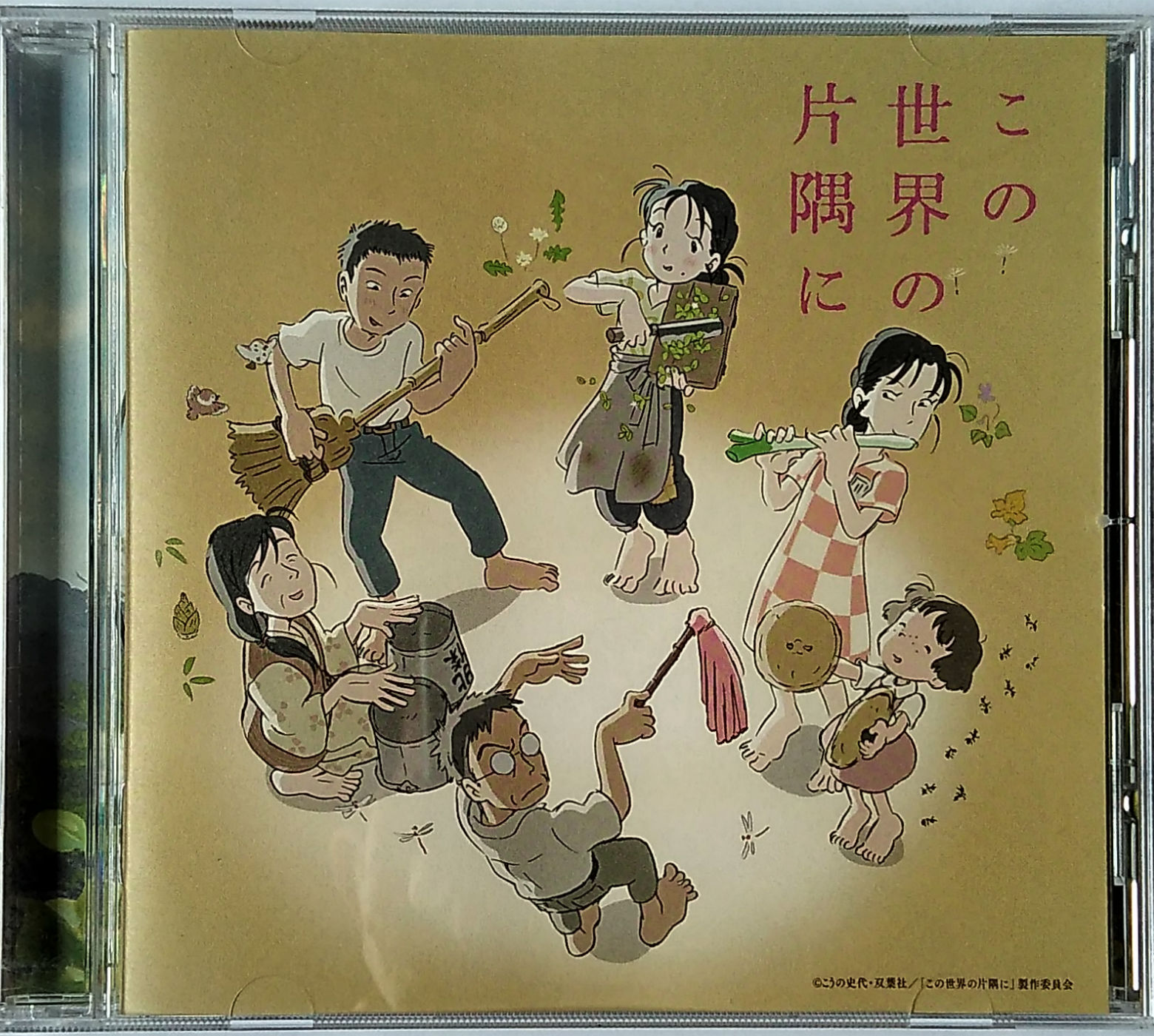
Cover of the original sound track CD
Suzu and her in-laws

By the way, being a hard aunty, I found myself sympathizing more with Keiko than with Suzu. Keiko is Suzu’s severe sister-in-law and also Harumi’s mother. In adapting a feature-length film from the manga comic book, KATABUCHI needed to choose from the many episodes of the original story. He decided to focus on the relationship between Keiko and Suzu. I think that was the right decision. Keiko is nice… (9 February 2017)

Sunday, 28 August 2016

[Film] SUZUKI Seijun(鈴木清順)and his films


SUZUKI Seijun --- some snippets about one of the most famous "cult" Japanese directors

Starting next week, Japanese Film Festival 2016 in Singapore will be held at the National Museum of Singapore. This year, there is an SUZUKI Seijun retrospective as a part of the festival. In association with that retrospective, I would like to introduce some snippets which are well known among film fans in Japan.

Here is their website:

“Film is only one time. Like a firework. It blooms in a flash and it vanishes. In that period, who imagined film works would be archived?” ---Suzuki Seijun

Quote in response to the question “Don’t you think of being remembered by future generations?” taken from an interview with Suzuki Seijun about “A Tale of Sorrow and Sadness” (1977).

It is said among Japanese film critics that Suzuki Seijun is a difficult interviewee. He looks cool for his former works. He parries interviewers’ questions. If an interviewer asks him “What is the theme of this film?”, he will just say, “There is no theme. I just received the script from the studio.” or “Well, what is that?” or “Maybe it is as you said” etc… It is hard to tell if Seijun is being humble. We cannot judge he is serious or not.

We tend to think film directors choose directing because they love film. But Suzuki Seijun was not a big film fan. He is not like Akira Kurosawa who wanted to be a painter when he was young. Neither is he like Ichikawa Kon who loved animation and started his film carrier as an animator. After failing a university entrance exam, he entered the Kamakura Academy film department at his friend’s invitation and later, joined Shochiku Studio in 1948. It was a quite tough period for a young man to get a job. According to Seijun himself, “Maybe I felt it was good to join a company, even if it was any company.” He moved to Nikkatsu Studio in 1954 and was promoted from assistant director to full director in 1956.

Regardless whether Seijun loved films or not, he always made his films with all his strength. According to Takeda Kazunari, his former assistant director, Mrs Suzuki once remarked that her husband does not go to bed during the shooting period. Even when drowsy, he was always thinking about the film shoot. He prepared the continuity details for the next day’s shooting, always thinking whether the shot would work or not. Seijun gave his best effort, even when his works in Nikkatsu Studios were ranked as B Grade films, often released as the additional film in a Nikkatsu double bill program. Noro Keisuke, one of his favourite supporting actors, said he gave up memorizing a Seijun’s script because it often changed every morning before shooting.

His works has had a great influence on later film directors, but he does not look to have been influenced by former directors or have been inspired by somebody’s works. His style cannot be explained by ideology. His uniqueness stands alone in Japanese film history. Critics maybe not have had other expressions except for calling his uniqueness “aesthetics”.

Among his remarkable styles, Seijun uses colours, distorted space and time, unconnected shots, mirror reflections. In particular, Seijun uses the unconnected shots, where he jumps between two unconnected shots, from his early works throughout his career. These shots make the storyline difficult to understand, but it also makes his film so much fun to watch. Suzuki Akira, an editor who has worked with Suzuki Seijun since his Nikkatsu era, explained “Seijun does not take acting he does not want to show. He takes only good acting and tries to connect only them. That is why his shots are jumping.” Hasumi Shigehiko, Film scholar mentioned “For example, Masuda Toshio (another Nikkatsu director) takes a scene for “taking a break”. A scene without positive meaning is taken and shown with some feeling. The story then follows. But in Seijun’s films, there are no “taking a break” scenes.” Yamada Koichi, film critic, also said “There is no loose part following orthodox film grammar. For some reason, Seijun just tries to connect only the peak shots.”

Seijun Suzuki was fired from Nikkatsu Studio because of his “Branded to Kill” in 1967. Even before that film, he was sometimes scolded by his studio executives for various reasons. Here are some examples.

Naked Age” (1959)
Film with an old man character, Gon Jii acted by Hidari Bokuzen alongside Spitz, a dog. Spitz was a popular dog at that time, beautiful and well groomed. But the studio executive decided that “It is unnatural for a homeless old man to have a pet dog suited for an upper class family.” Watching this film now, the scenes of the miserable looking old man with a beautiful white fluffy dog have a dreamlike impression. But this clashed with the Studio’s filmic realism, so the most parts of the dog were cut.

Naked Age (1959)
  
The Kanto Wanderer” (1963)
The Studio insisted on adding a new final scene. Seijun’s original last scene was the heroine, Tatsuko (acted by Ito Hiroko) standing at the Japanese style veranda in her house and thinking of the hero, Mitsuo (acted by Kobayashi Akira). But the studio executive asked “Where did Akira go?” So Seijun shot an additional final scene with Akira. Seijun thought it should be understood about what happened on the hero, no explanation required. But as a star film, the Studio needed the ending with the hero.

The Kanto Wanderer (1963)

Tokyo Nagaremono (Tokyo Drifter)” (1966)
The last scene was changed. In the original last scene, there is the green moon and a white tree stump with a red edge. When Seijun made his previous film, “Tattooed Life” (1965), the Studio felt that the climax of that film was too much. They warned him not to exceed that limit. Emori Seijuro, a Nikkatsu Studio executive, was the only executive who always defended Seijun works. When he saw the final scene in “Tokyo Drifter”, he got angry with the green moon. Emori demanded the last scene to be reshot.

Interestingly, Tokyo Drifter was a kind of music film, and Watari Tetsuya, the lead actor, also sang the theme song. As a personal challenge, Seijun wanted to test if he could insert this tune in the film as many times as possible. As a result, the same tune appeared 13 times in different ways in the film. (15 August 2016)

 
Tokyo Nagaremono (1966)

References:

Seijun Eiga” by Suzuki Seijun, edited by Isoda Tsutomu and Todoroki Yukio, published by Wides Shuppan in 2006
Suzuki Seijun Zen Eiga” edited by Ueno Koshi, published by Rippu Shobo in 1986
Suzuki Seijun Kantoku Jisen DVD Box” (vol. 1 and 2) directed by Suzuki Seijun, introduction by Sato Toshiaki, released by Nikkatsu Co. in 2006 and 2007